Recovery is rarely a solo project. The single most reliable predictor of long-term sobriety isn't willpower — it's belonging.
That's why group activities sit at the heart of life at Heal Space Toledo.
What "group activities" actually means
It's not just movie nights. In our recovery housing, group activities include:
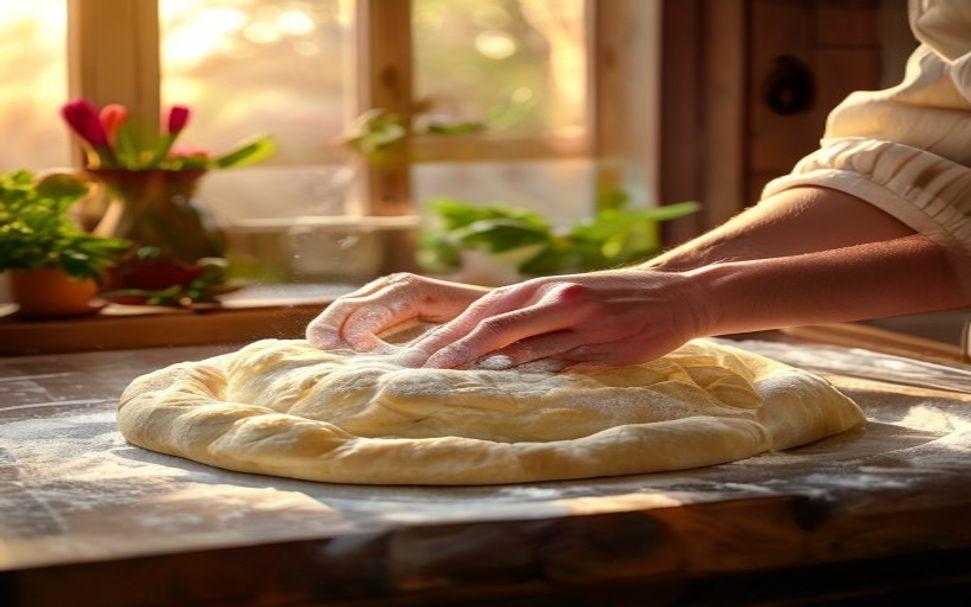
- Shared cooking and meals
- Morning check-ins
- Weekly house meetings
- Outdoor activities and community service
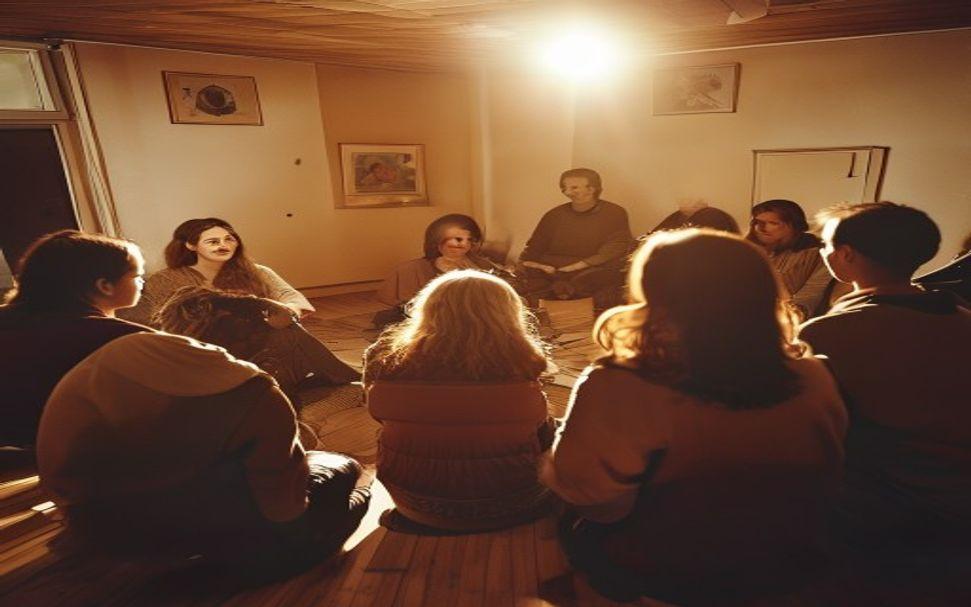
- Peer-led recovery meetings
- Celebrations of milestones
Each of these does something specific for the recovering brain.
1. Group activities rebuild trust
Substance use damages trust — first with self, then with others. Doing things together — small things — slowly rebuilds it.
2. They restore healthy reward pathways
Laughing with housemates, finishing a project, or being thanked for cooking dinner all activate the same reward systems substances once hijacked. Over time, the brain re-learns.
3. They build accountability that doesn't feel like surveillance
When you spend real time with people, accountability becomes mutual. You don't want to let them down. That's a powerful, internal motivation.
4. They normalize asking for help
In a healthy group, asking for help is just part of being there. That single skill — asking — saves lives.
How we do it at Heal Space
We're a 501(c)(3) non-profit, and our Toledo home is intentionally designed around shared spaces. The kitchen, living room, and outdoor areas are where most of recovery actually happens. The bedroom is for rest.
If you or someone you love is exploring recovery housing in Toledo, contact us or apply for housing. We'd love to hear from you.
FAQ
Are group activities mandatory? House meetings and basic shared responsibilities are expected. Optional activities are encouraged but not forced — recovery has to be voluntary to last.
What if I'm introverted? Most of our residents are. Community doesn't mean constant socializing — it means knowing you're not alone.